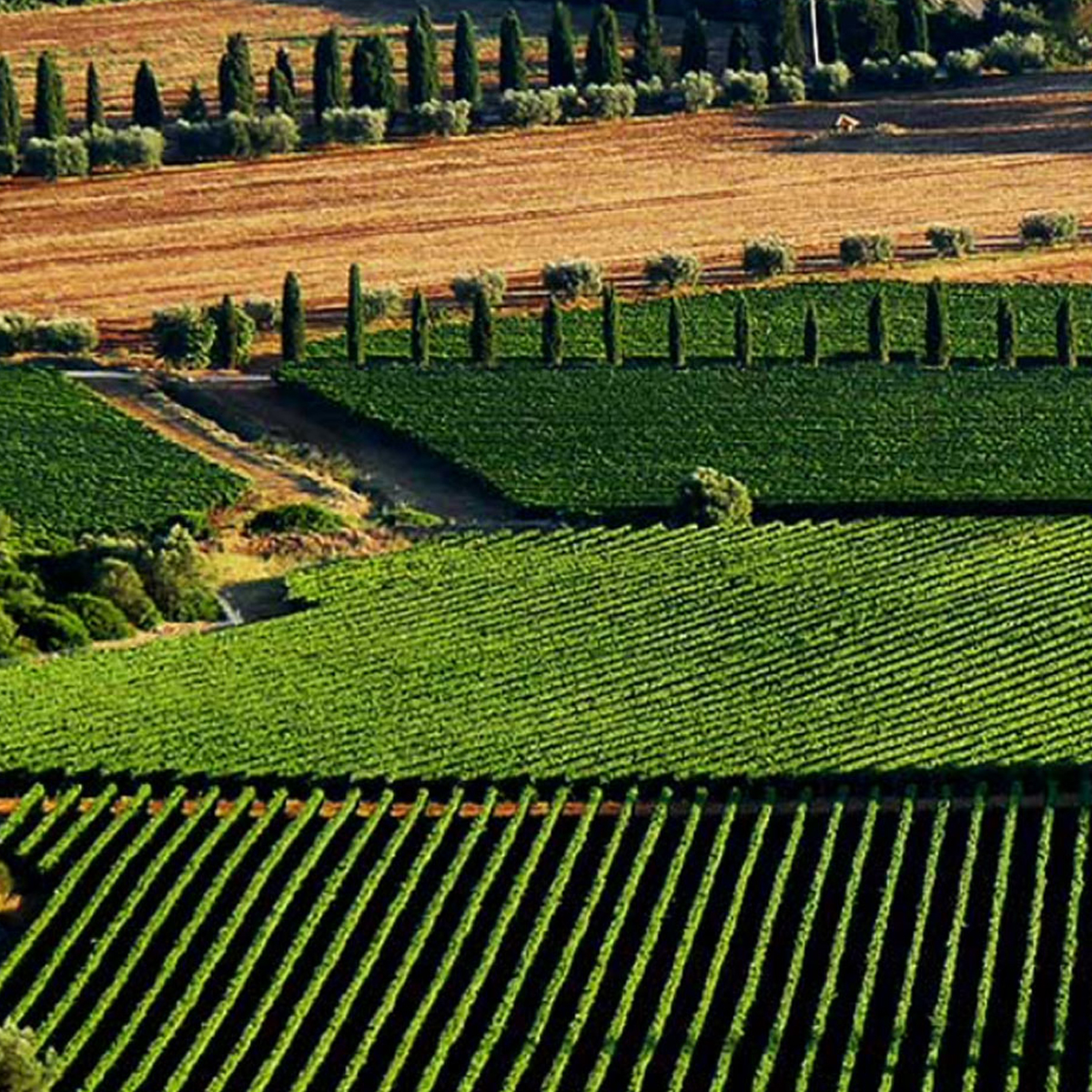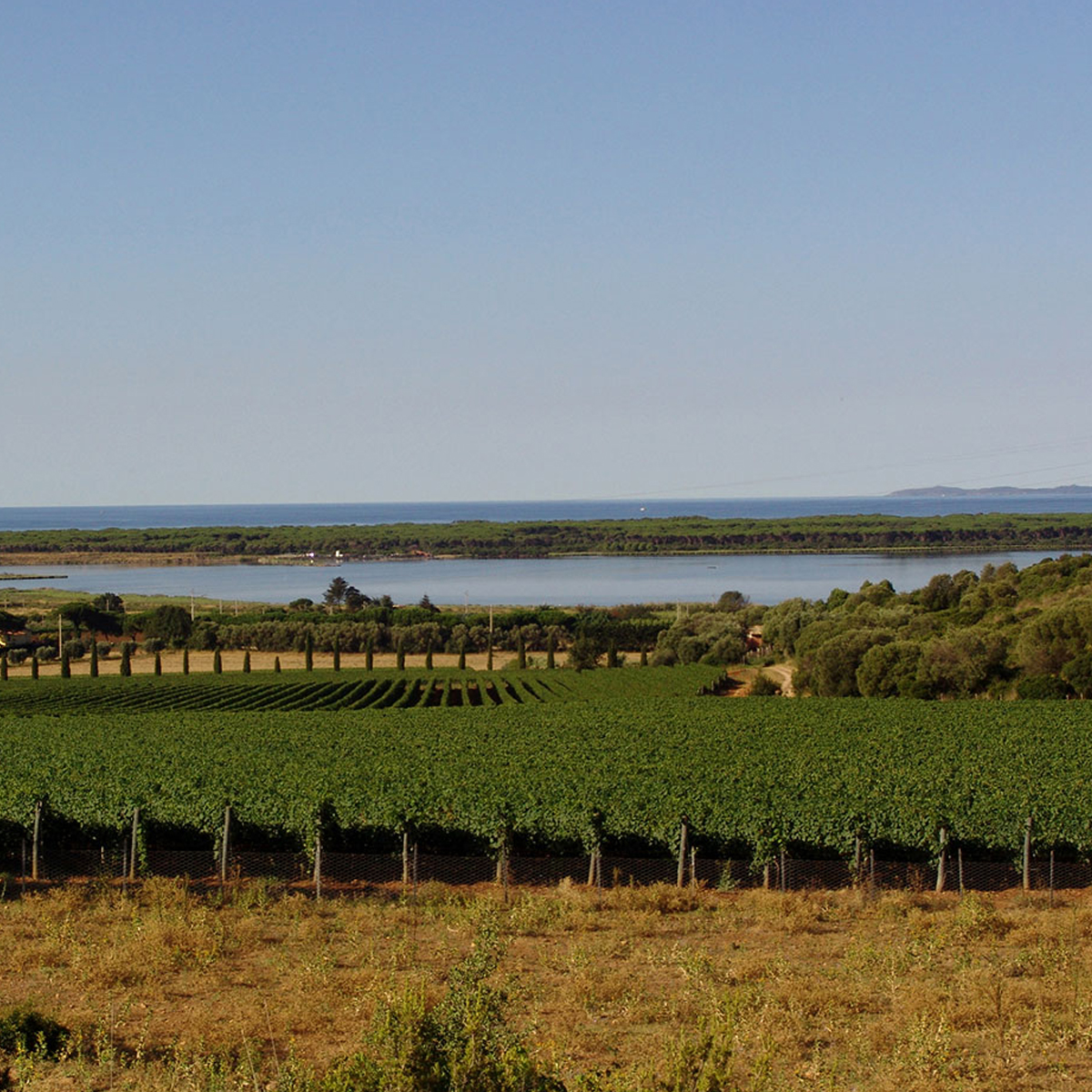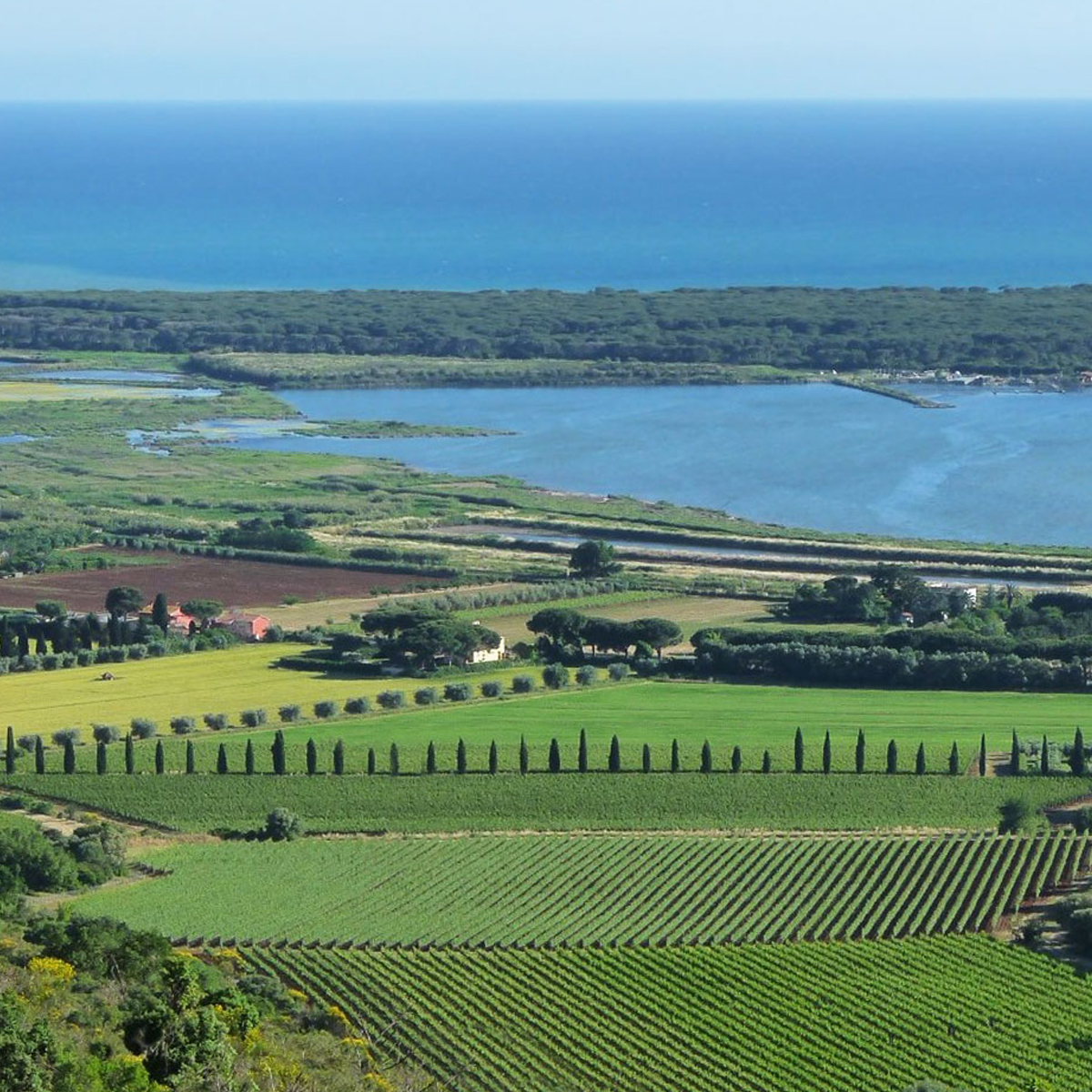



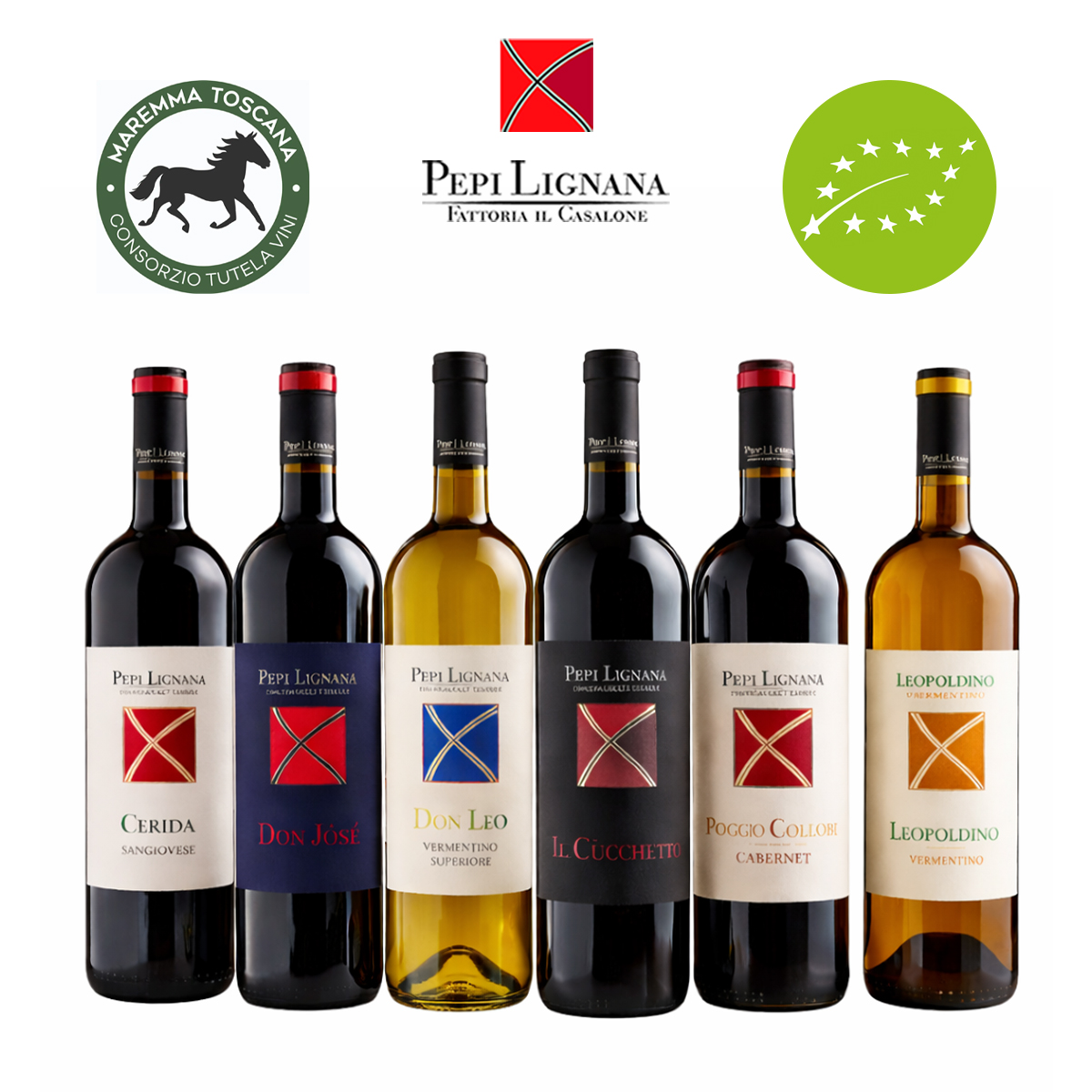
The conversion to organic farming was a gradual and careful process, during which we worked to strengthen the health of our vines and improve the quality of the grapes. The result is a wine that even more authentically expresses the terroir, the season, and the unique character of our vineyards.
Producing organic wine also means taking on a responsibility: that of protecting the land for future generations. Each bottle of Pepi Lignana therefore embodies not only passion and tradition, but also a conscious choice towards more sustainable agriculture.
For us, organic farming is not a point of arrival, but a new starting point. We will continue to work with the same dedication to create wines that tell our story, our terroir, and our commitment to quality.
We invite you to discover and taste our organic wines, an authentic expression of nature and the work of the vineyard.
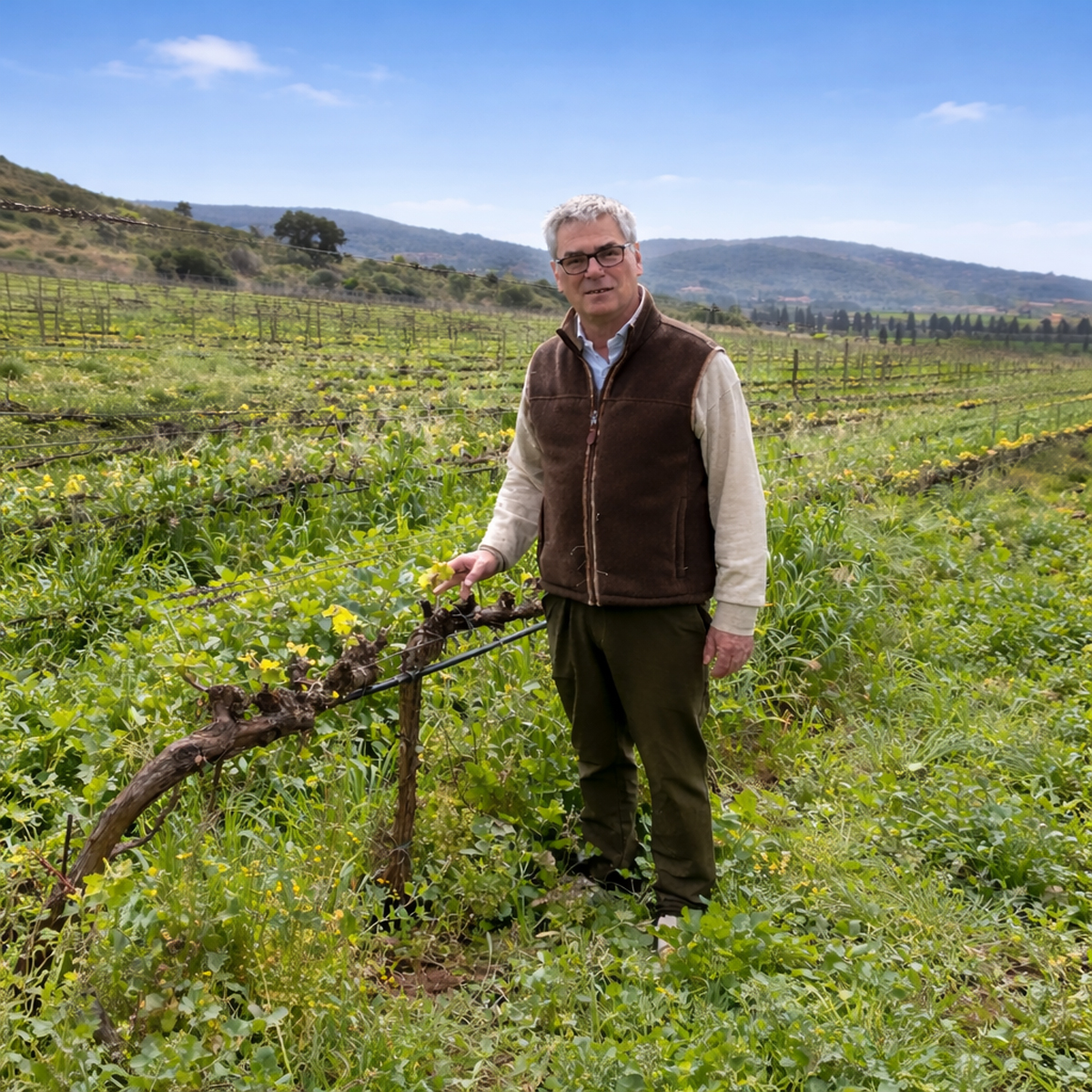
The Quality of Organic Wine: Nature, Territory, and Authenticity
Organic wine represents an authentic expression of the connection between humanity, the land, and nature. In recent years, this type of wine has attracted an increasing number of enthusiasts and consumers attentive to quality and sustainability. Its production is based on environmentally friendly agricultural methods, avoiding the use of synthetic chemical pesticides, artificial fertilizers, and other substances potentially harmful to the ecosystem.
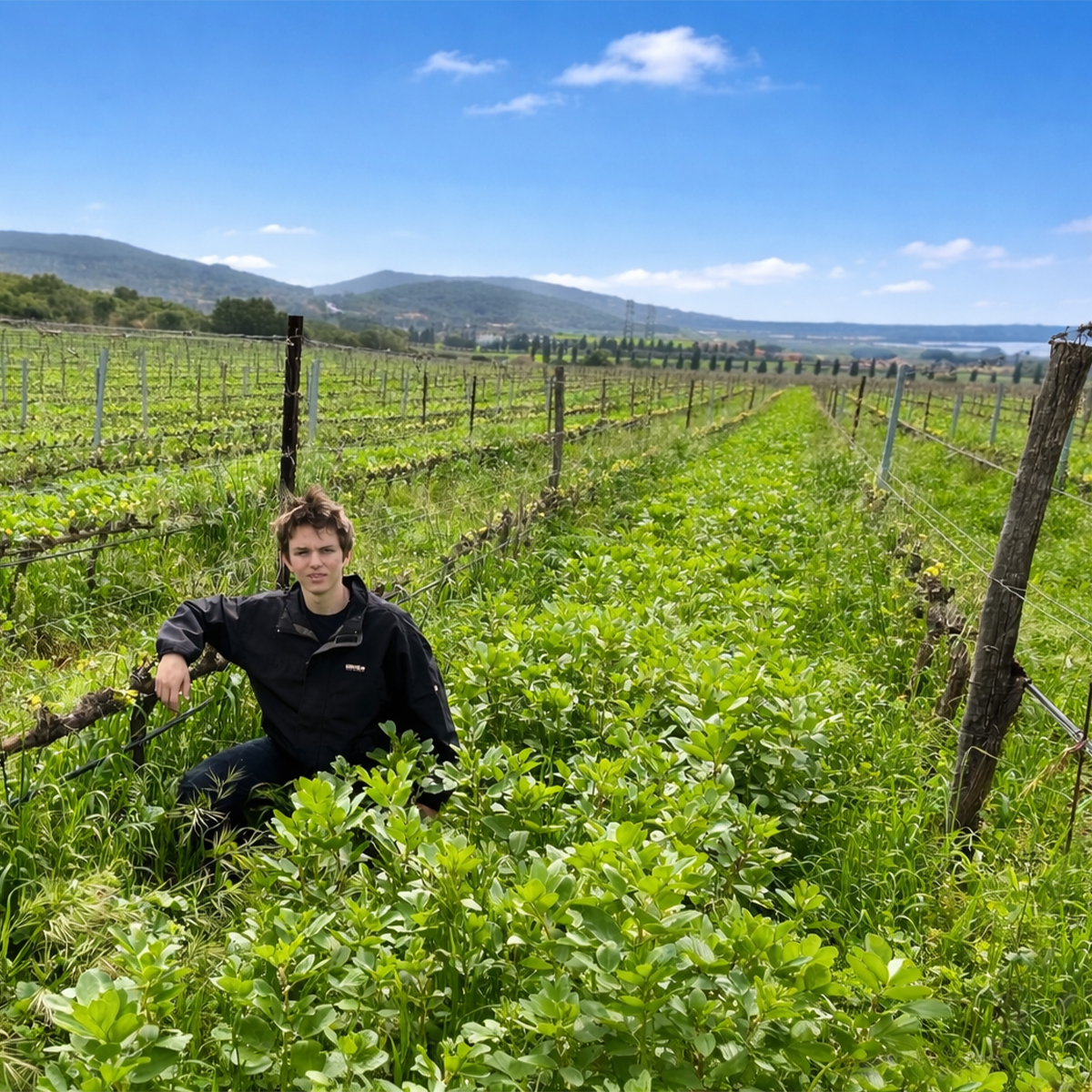
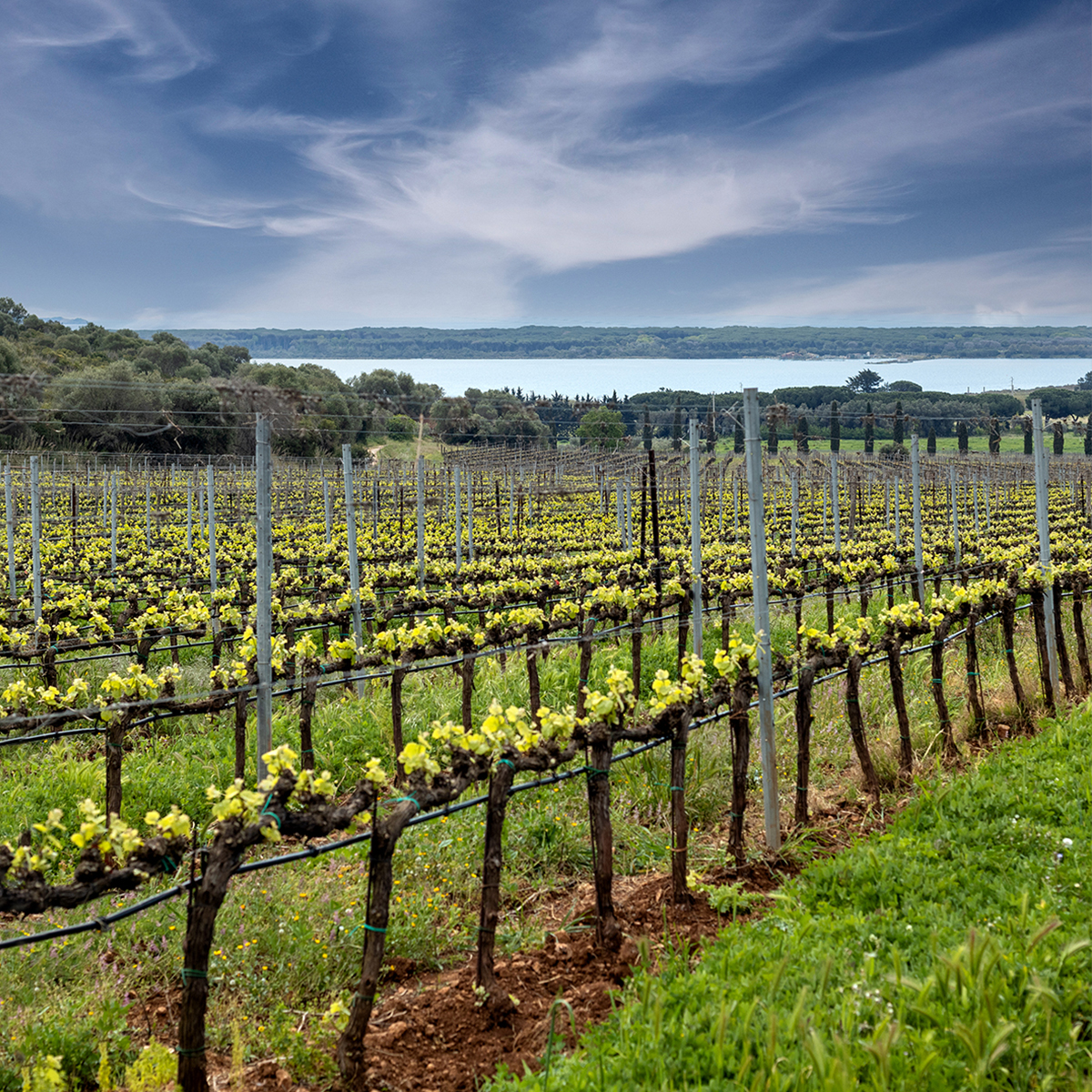
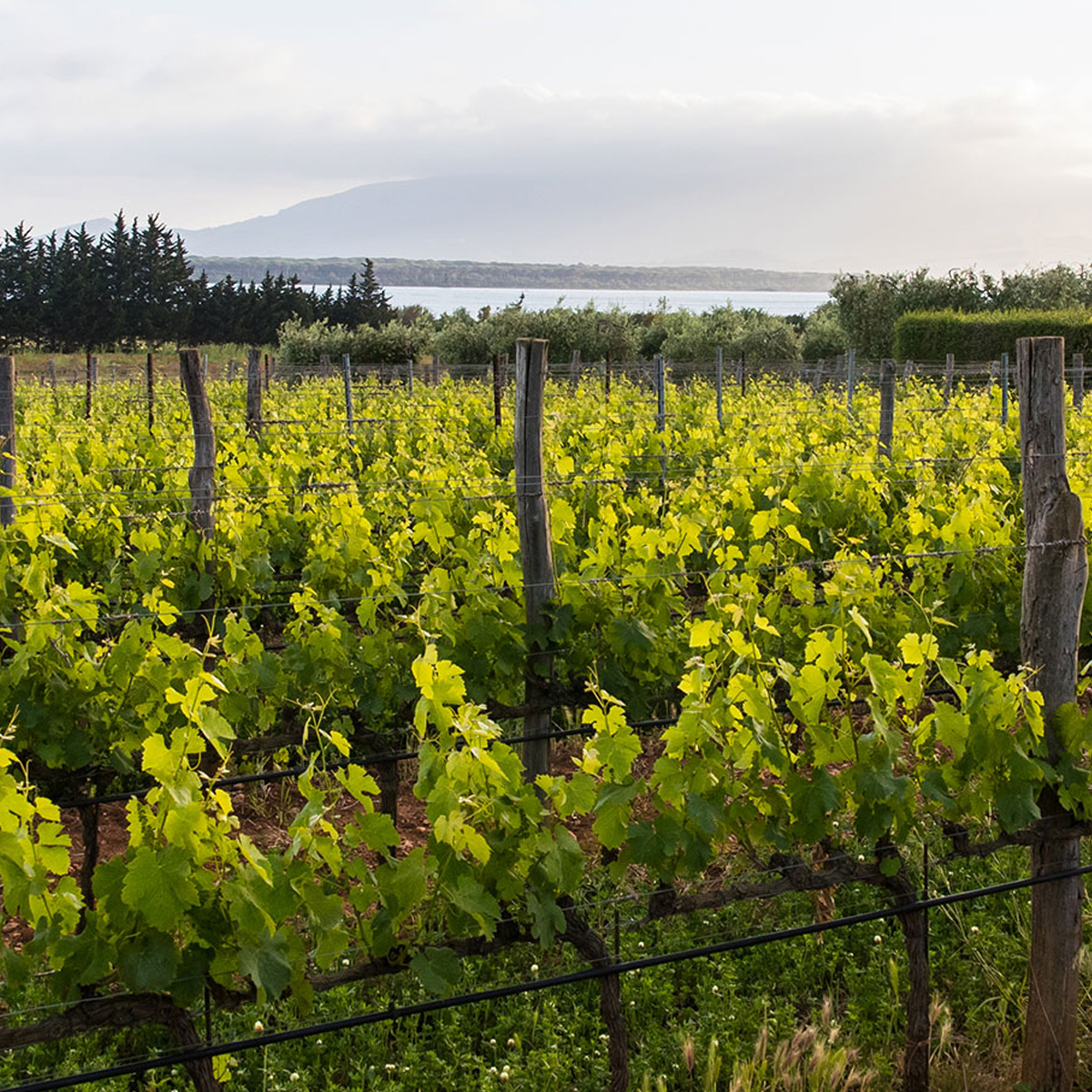
The quality of organic wine begins first in the vineyard. Organic winemakers cultivate the land with natural techniques, promoting biodiversity and soil fertility. This allows the vines to grow more balanced and healthy, producing grapes that best express the characteristics of the terroir. As a result, organic wines often have more authentic aromas and a flavor that more faithfully reflects the environment in which they were produced.
Another important aspect concerns the winery's processes. Even during winemaking, precise rules are followed that limit the use of additives and chemicals. This more natural approach helps preserve the wine's organoleptic qualities, maintaining its aromas, structure, and complexity.
Choosing organic wine means not only appreciating a quality product, but also supporting a more responsible agricultural model. Organic production reduces environmental impact, protects the health of workers and consumers, and enhances local winemaking traditions.
In conclusion, organic wine represents a choice that combines quality, respect for nature, and appreciation of the local area. Drinking organic means not only enjoying a good wine, but also contributing to a more sustainable future for agriculture and the planet.